
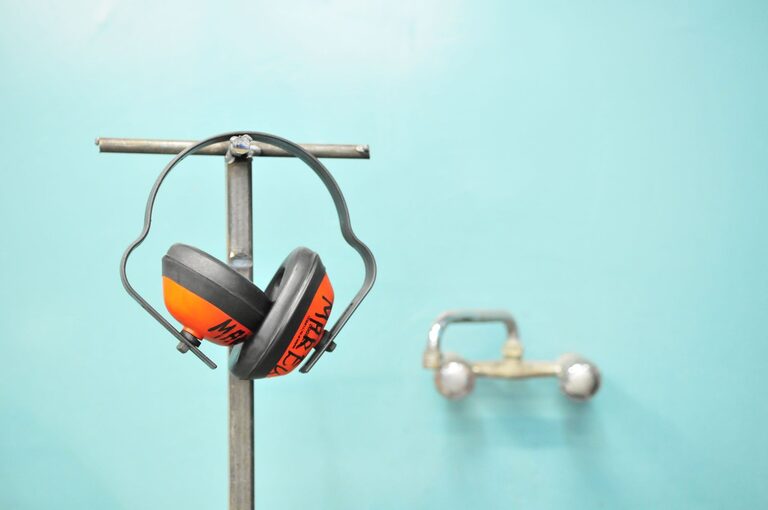
Creating a quiet and peaceful home environment can significantly improve your comfort, concentration, and overall well-being. Whether you live in a busy city or a bustling household, unwanted noise can be disruptive. Fortunately, there are simple and practical ways to reduce noise at home without costly renovations. In this post, we’ll explore easy tips and techniques to help you create a calmer space.
Why Reducing Noise Matters
Excessive noise at home can lead to stress, difficulty sleeping, and lower productivity. Even everyday sounds like traffic, appliances, or loud conversations can affect your mood and focus. By taking steps to reduce noise, you can enjoy a more restful and enjoyable living environment.
Identify the Main Sources of Noise
Before you start reducing noise, it’s helpful to identify where it’s coming from. Common sources include:
– Outdoor traffic and street noise
– Neighbors and shared walls
– Appliances like washing machines or air conditioners
– Loud conversations or entertainment inside your home
Once you know the main culprits, you can target your noise reduction efforts more effectively.
Simple Ways to Reduce Noise Indoors
1. Use Soft Furnishings to Absorb Sound
Hard surfaces reflect sound, making noise louder and more noticeable. Adding soft materials helps absorb sound waves and reduce echoes.
– Rugs and carpets: Cover bare floors with rugs or carpets to soften footsteps and muffled sounds.
– Curtains and drapes: Thick, heavy curtains can block outside noise and absorb indoor sounds.
– Pillows and cushions: Upholstered furniture with plenty of cushions helps absorb noise in living areas.
2. Seal Gaps and Cracks
Noise can easily enter through small gaps around doors, windows, and walls. Sealing these openings reduces sound transmission.
– Use weatherstripping around doors and windows to close gaps.
– Apply acoustic caulk to seal cracks and holes in walls or baseboards.
– Install door sweeps on the bottom of doors to block noise from hallways or outside.
3. Rearrange Furniture Strategically
Your furniture layout can influence how sound travels.
– Place bookshelves or large pieces of furniture against walls shared with noisy neighbors.
– Use upholstered furniture to block sound paths.
– Avoid keeping seating arrangements too close to noisy appliances or noisy rooms.
4. Add Sound-Absorbing Panels or Decor
There are affordable options to add soundproofing to your walls.
– Acoustic foam panels or fabric-covered boards can be mounted on walls to dampen sound.
– Wall hangings such as tapestries or quilts also absorb sound.
– Consider decorative cork boards or large canvas prints which reduce noise reflections.
Reduce Noise from Appliances and Electronics
1. Maintain and Isolate Appliances
Many household appliances create noise that can echo through rooms.
– Regularly maintain your appliances to ensure they run smoothly.
– Place noisy machines like washing machines on vibration-absorbing mats.
– Locate appliances in sound-insulated areas such as utility rooms when possible.
2. Use White Noise or Sound Machines
Sometimes, masking unwanted noise with pleasant background sounds can help.
– White noise machines generate consistent sound that covers up distractions.
– Fans or air purifiers can also create soothing background noise.
– Apps on smartphones offer customizable soundscapes for indoor use.
Outdoors: Managing External Noise
If outdoor noise is a problem, such as traffic or neighbors, try these tips:
– Plant dense shrubs or trees near windows to act as natural sound barriers.
– Add outdoor fences or walls designed to block sound.
– Use window inserts or double-pane windows to improve sound insulation.
Tips for Quiet Rooms
If you want a particularly quiet space, such as a bedroom or home office, consider:
– Installing heavy, noise-blocking curtains or blinds on windows.
– Using rugs and padded furniture extensively.
– Avoiding thin interior doors, and if possible, upgrading to solid-core doors.
– Minimizing noisy electronics and devices in this area.
Final Thoughts
Reducing noise at home doesn’t have to be complicated or expensive. By incorporating soft furnishings, sealing gaps, rearranging furniture, and managing appliances, you can create a more peaceful atmosphere that enhances your daily life. Mix and match these tips to find the best combination that suits your home and lifestyle. A quieter home means a happier, more relaxed you.