
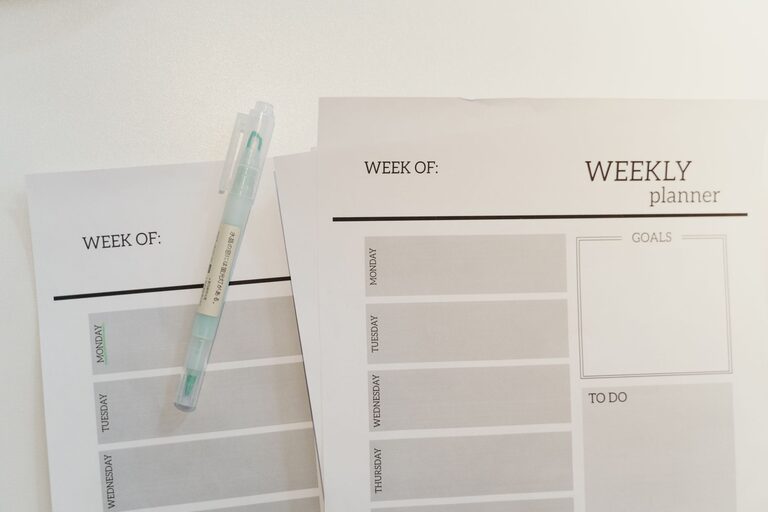
Setting weekly goals is a powerful way to boost your productivity and keep your focus sharp. However, setting unrealistic goals can lead to frustration and burnout. In this guide, we’ll explore how to set realistic weekly goals that are clear, manageable, and motivating. Whether you’re tackling work projects, personal habits, or learning objectives, these tips will help you plan your week with confidence.
Why Set Weekly Goals?
Weekly goals help break down larger projects into digestible tasks. They give you a clear direction for the upcoming days, allowing you to prioritize what matters most. By focusing on achievable targets each week, you build momentum and make steady progress toward your bigger ambitions.
Step 1: Reflect on Your Priorities
Before setting weekly goals, take a moment to reflect on what’s most important in your life and work right now.
– What are the key areas where you want to improve or make progress?
– Are there deadlines or commitments you need to meet?
– How much time can you realistically dedicate to these goals during the week?
Writing down your priorities helps you stay aligned with your values and avoid unnecessary distractions.
Step 2: Use the SMART Goal Framework
A helpful way to create clear, actionable goals is to use the SMART criteria:
– Specific: Define exactly what you want to achieve.
– Measurable: Include a way to measure your progress.
– Achievable: Ensure your goal is realistic given your resources and time.
– Relevant: Make sure the goal matters to your bigger objectives.
– Time-bound: Set a deadline—in this case, by the end of the week.
For example, instead of saying “exercise more,” a SMART goal would be “exercise for 30 minutes, three times this week.”
Step 3: Break Goals Into Smaller Tasks
Large goals can feel overwhelming, so break them into smaller, actionable steps. This makes your progress easier to track and your workload more manageable.
Example:
Goal: Write a blog post by Friday.
Tasks:
– Monday: Outline the post
– Tuesday: Write the introduction and first section
– Wednesday: Complete the draft
– Thursday: Edit and revise
– Friday: Publish and promote
Step 4: Prioritize Your Goals
Not all goals are equally urgent or important. Use a simple prioritization method such as:
– High priority: Must be done this week
– Medium priority: Important but can be delayed if needed
– Low priority: Nice to do if you have extra time
Focus first on high-priority goals to ensure you meet critical deadlines.
Step 5: Be Realistic About Time and Energy
It’s common to underestimate how long tasks take. To set realistic goals, consider:
– How many hours you can dedicate per day
– Your energy levels during different times of the day
– Other commitments like family, work meetings, or social activities
Allow buffer time for unexpected interruptions and breaks to keep your schedule flexible.
Step 6: Write Down Your Goals and Review Them Daily
Writing your goals in a planner, journal, or digital app makes you more accountable. Review your goals every morning or the night before to remind yourself what’s on the agenda.
Adjust your plan if needed. If you complete a goal early, consider adding another task. If you’re falling behind, reevaluate your workload for the rest of the week.
Step 7: Celebrate Progress and Learn from Setbacks
Recognizing your progress motivates you to keep going. Celebrate small wins, whether it’s completing a task or making steady progress toward a bigger goal.
If a goal wasn’t met, reflect on why. Was it too ambitious? Did something unexpected happen? Use this insight to improve your planning for the next week.
—
Tools to Help You Set and Track Goals
Several tools can make goal setting easier:
– Digital planners like Google Calendar or Todoist
– Habit-tracking apps such as Habitica or Streaks
– Physical planners or bullet journals for those who prefer writing by hand
– Spreadsheets for detailed tracking and progress reports
Choose tools that suit your style and keep your goals visible throughout the week.
—
Sample Weekly Goal Template
| Goal | Specific Tasks | Priority | Due Date | Status |
|———————–|———————————–|———-|———-|————|
| Finish client report | Draft, review, finalize, send | High | Friday | In progress|
| Exercise 3 times | Tue, Thu, Sat – 30 minutes each | Medium | Saturday | Planned |
| Read 2 chapters | Read chapters 4 and 5 of book | Low | Sunday | Not started|
—
Final Thoughts
Setting realistic weekly goals is about finding balance—challenging yourself without becoming overwhelmed. By clearly defining your goals, breaking them down, prioritizing effectively, and staying flexible, you set yourself up for a productive and fulfilling week.
Remember, the goal-setting process is personal. Adjust these steps as needed to fit your lifestyle and preferences. With practice, creating meaningful weekly goals will become a natural and rewarding habit.